Conozca a los candidatos
Filtrar Por Distrito
Las elecciones de la junta escolar de Minneapolis se celebran cada dos años. En 2026, se elegirán representantes para los distritos 1, 3 y 5, así como para dos escaños de representación general.
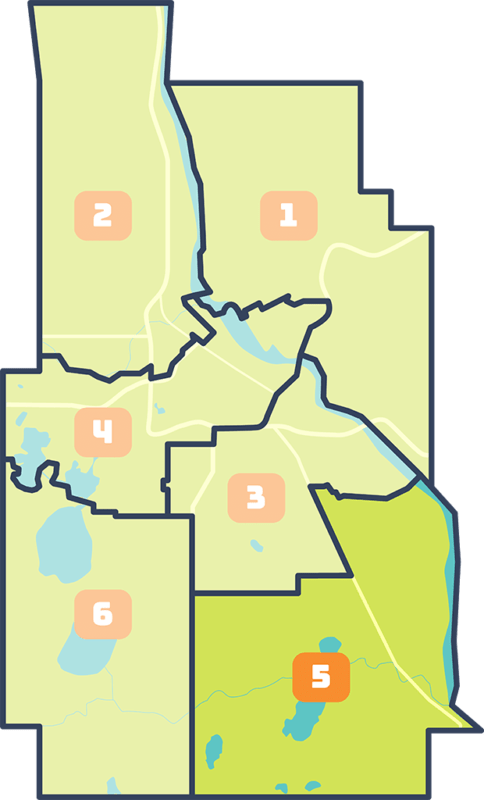
Distrito 5
Todo Nokomis y algunos sectores de Powderhorn (Bancroft, Bryant, Standish).
- Anishinabe Academy Elementary
- Bancroft Elementary
- Dowling Elementary
- Field Elementary
- Folwell Elementary
- Hale Elementary
- Hiawatha Elementary
- Howe Elementary
- Lake Nokomis Keewaydin Elementary
- Lake Nokomis Wenonah Elementary
- Northrop Elementary
- PreK South
- Roosevelt High
- Sanford Middle
- Sullivan Elementary

Molly
Chase
Distrito 5
Las respuestas reflejan los puntos de vista de los candidatos y no representan a Get On Board ni a ninguna de las organizaciones asociadas.
Tell us about yourself and why you are running for MPS school board.
Crecí como estudiante de las escuelas públicas en Memphis y Atlanta. La curiosidad y la tenacidad que tengo hoy son gracias a los educadores que me formaron. Mudarme a Minneapolis hace quince años cambió mi vida. Dejé el trabajo corporativo para dedicarme a un trabajo más significativo en organizaciones sin fines de lucro. Aquí conocí a mi esposo y ahora estamos criando a nuestra hija, estudiante de primer grado de las Escuelas Públicas de Minneapolis (MPS) en el sur de Minneapolis.
Mi carrera abarca las áreas de finanzas y operaciones en los sectores privado, sin fines de lucro y gubernamental: elaboré proyecciones presupuestarias en una empresa de las Fortune 500 y luego fui miembro del consejo, designada por el gobernador, del Perpich Center for Arts Education, donde ayudé a administrar responsablemente un presupuesto de $15 millones. A través de mi pequeña empresa de consultoría, ayudo a organizaciones sin fines de lucro con planificación estratégica y supervisión financiera. También me dediqué al trabajo cívico en mi comunidad durante años: fui responsable estatal de comunicaciones de Moms Demand Action, miembro del consejo de una organización de padres y docentes (PTO) y coordinadora de ayuda mutua.
Hubo tres situaciones que me impulsaron a postularme. Mi hija comenzó el kínder una semana después del devastador tiroteo en Annunciation. Poco después, participó en su primer simulacro de seguridad en la escuela. La huelga docente que casi se concretó el otoño pasado me mostró cuán frágil es realmente nuestra situación en cuanto al personal y al financiamiento. Luego vino la ocupación del Servicio de Inmigración y Control de Aduanas (ICE), que me mostró tanto la fragilidad como la resiliencia de nuestra comunidad. Si alguna vez hemos entendido que ningún niño es responsabilidad ajena, es ahora.
Esta campaña representa mi compromiso con los estudiantes, los educadores, los bibliotecarios, los trabajadores sociales, los consejeros y todo el personal que forma parte de las MPS. Quiero que todas las personas de nuestras escuelas estén seguras, reciban el apoyo que necesitan y cuenten con las condiciones para prosperar. Aportaré rigor financiero, experiencia como parte de un consejo y un profundo arraigo en la comunidad, y creo que las comunidades más afectadas por las decisiones del Consejo merecen estar representadas en la toma de esas decisiones.
What are your thoughts on giving individual schools more autonomy over budget, staffing, curriculum, and scheduling decisions? What are the benefits and risks of school-level flexibility?
Los directores y los educadores tienen la relación más directa y de mayor confianza con los estudiantes y las familias. Debemos darles espacio a nuestros directores y a los consejos escolares para tomar decisiones que respondan a las necesidades de cada escuela, especialmente en las comunidades donde un enfoque uniforme no dio buenos resultados para los estudiantes.
La estandarización también cumple una función importante. Una auditoría de 2025 realizada por el Consejo de las Grandes Escuelas de la Ciudad determinó que 25 escuelas de las MPS tenían 48 horarios diferentes para el inicio de la jornada y 34 horarios diferentes para su finalización. Cada uno se diseñó por una buena razón: adaptarse a los Programa de Educación Individualizada (IEP) de los estudiantes. Sin embargo, el efecto colectivo complicó significativamente el transporte y la coordinación de los asistentes de educación especial (SEA). La consolidación permitiría ahorrar en costos de transporte y liberar fondos para reforzar el apoyo a la educación especial.
Demasiada flexibilidad puede dejar a las familias perdidas en un sistema fragmentado, con reglas y modalidades diferentes de una escuela a otra. Dicho esto, los directores necesitan autonomía para comunicarse rápidamente con las familias y tomar decisiones que respondan a las necesidades de sus escuelas.
MPS enrollment has dropped by roughly 8,000 students since 2017, and it is projected to keep declining. Is increasing enrollment a viable solution to the budget crisis? If yes, what's your strategy? If no, how would you rightsize the budget instead?
Aumentar la inscripción siempre debe ser una prioridad, independientemente de nuestra situación financiera.
Un problema relacionado con la inscripción que merece más atención es la preocupación de las familias por la gamificación del aprendizaje temprano. El impulso de las familias para reducir la presencia de las grandes tecnologías en las aulas está creciendo rápidamente, y creo que ya está influyendo en la inscripción de maneras que las MPS todavía no supieron anticipar.
Me alegra que las MPS se estén enfocando en los años de transición (de prekínder a kínder, de quinto a sexto grado y de octavo a noveno grado) y que estén ampliando el acceso al prekínder. Yo agregaría más opciones de kínder al 8.º grado a esa lista de estrategias para retener la inscripción, ya que muchas familias que tienen más de un hijo quieren que permanezcan juntos en la misma escuela. Además, considero que proteger la remuneración del personal y reducir el tamaño de las clases son estrategias para aumentar la inscripción, ya que contar con equipos docentes sólidos y estables es lo que hace que las familias sigan eligiendo a las MPS.
En cuanto a los gastos, sabemos que una supervisión financiera rigurosa puede (y recientemente pudo) ahorrarle millones de dólares al distrito. Este es un papel fundamental del Consejo.
Para reducir costos, solo quedan unas pocas opciones que no deterioren la calidad, la seguridad o la inscripción en las MPS. Mientras tanto, los costos de transporte, alimentación y atención médica siguen aumentando tanto para el distrito como para el personal. Algunos miembros del personal señalan que la atención médica consume casi la mitad de su sueldo, mientras que los aumentos salariales no contemplan la inflación.
Las MPS no son el único distrito que enfrenta la necesidad urgente de un mayor financiamiento. La defensa a nivel estatal debe ser una parte activa del trabajo del Consejo. Yo aporto ese tipo de experiencia en defensa legislativa a través de mi trabajo en prevención de la violencia con armas de fuego y protección de la educación artística.
What do you see as the role of parent, student, and community voice in decisions that affect the Minneapolis Public Schools?
Las voces de las familias, los estudiantes y la comunidad son fundamentales para el proceso de toma de decisiones. Quiero que eso se refleje de manera concreta en la forma en que se toman las decisiones.
La voz de los estudiantes también debe formar parte de eso. Los estudiantes ven sus escuelas de maneras que los adultos no pueden y quiero asegurarme de escuchar personalmente las perspectivas de los estudiantes de mi distrito.
Por estas razones, si me eligen, me comprometo a organizar todos los meses una sesión virtual para escuchar a la comunidad, porque la transparencia debe funcionar en ambas direcciones. Quiero explicar lo que está sucediendo a nivel del Consejo y, al mismo tiempo, escuchar qué está funcionando en las escuelas (y qué no) directamente de los estudiantes y las familias.
A recent poll found that over 90% of parents are concerned that children in MPS are not reading on grade level. What steps will you take to address these concerns and improve grade-level reading?
En primer lugar, me motiva la Ley para Garantizar el Desarrollo Académico mediante la Lectura (READ) de Minnesota, que promueve una enseñanza de la alfabetización basada en evidencia, así como la dedicación de los docentes de las MPS para actualizarse rápidamente. Tuve la suerte de poder observar en primera persona cómo se enseña a leer, ya que mi hija acaba de terminar su año del kínder en las MPS.
Mi preocupación es que la ley de Minnesota financió nuevos planes de estudio, pero no cubrió el costo total de la capacitación, que es intensiva. Por ejemplo, la capacitación de los Aspectos Esenciales del Lenguaje para Docentes de Lectura y Ortografía (LETRS) requiere aproximadamente entre 86 y 116 horas. Incluso después de que los legisladores destinaran más fondos para pagar la capacitación, los superintendentes de Minnesota dicen que sigue siendo difícil afrontar ese costo.
En segundo lugar, quiero proteger y reconstruir los equipos de especialistas en lectura, especialistas en alfabetización y bibliotecarios que realizan un trabajo temprano y específico. Las MPS eliminaron los 400 puestos de intervención financiados durante la pandemia en medio de la crisis presupuestaria de 2024-25, y los puestos de bibliotecarios sufrieron recortes nuevamente este año. Afortunadamente, un aumento inesperado de los ingresos a último momento permitió recuperar algunos de esos puestos. Estos puestos necesitan horas de trabajo estables y financiamiento estable.
También quiero facilitar que nuestros mejores docentes de alfabetización no solo trabajen en las aulas de Minneapolis, sino que lo hagan en las aulas que más los necesitan. En todos los casos, la mentoría y las cargas de trabajo manejables son importantes, especialmente teniendo en cuenta la capacitación intensiva que se les está exigiendo a nuestros educadores.
En tercer lugar, me gustaría que las MPS aprovecharan aún más los datos de lectura que recopilan para orientar los recursos hacia los estudiantes y las escuelas que necesitan más apoyo.
Por último, alcanzar el nivel de lectura correspondiente al grado comienza en el kínder, pero la enseñanza de la alfabetización debe continuar hasta la graduación. Por eso, mantener el ritmo y el apoyo a la capacitación de los educadores de la Fase 2 será una responsabilidad importante del próximo Consejo de las MPS.
Conozca las características de la votación
Todos los residentes de Minneapolis pueden votar por un candidato general, pero también pueden votar por un candidato específico para el distrito.