Conozca a los candidatos
Filtrar Por Distrito
Las elecciones de la junta escolar de Minneapolis se celebran cada dos años. En 2026, se elegirán representantes para los distritos 1, 3 y 5, así como para dos escaños de representación general.
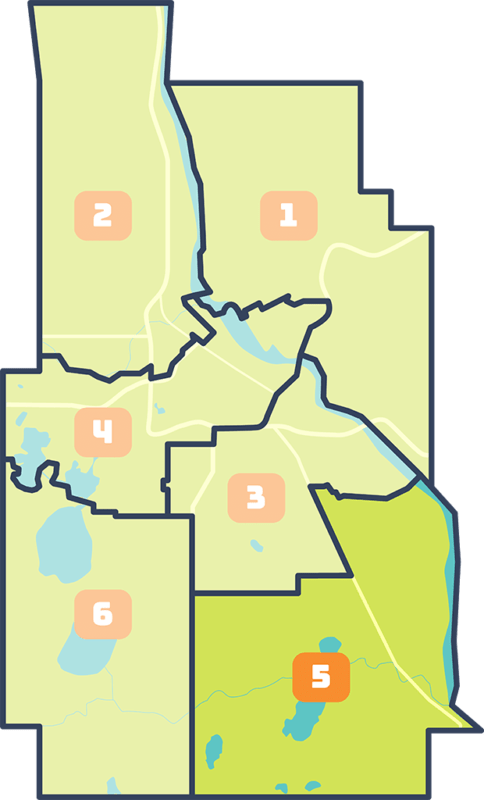
Distrito 5
Todo Nokomis y algunos sectores de Powderhorn (Bancroft, Bryant, Standish).
- Anishinabe Academy Elementary
- Bancroft Elementary
- Dowling Elementary
- Field Elementary
- Folwell Elementary
- Hale Elementary
- Hiawatha Elementary
- Howe Elementary
- Lake Nokomis Keewaydin Elementary
- Lake Nokomis Wenonah Elementary
- Northrop Elementary
- PreK South
- Roosevelt High
- Sanford Middle
- Sullivan Elementary
Becca
Dryden
Distrito 5
Las respuestas reflejan los puntos de vista de los candidatos y no representan a Get On Board ni a ninguna de las organizaciones asociadas.
Tell us about yourself and why you are running for MPS school board.
La organización comunitaria es la manera en que construí conexiones significativas con lugares y personas a lo largo de mi vida adulta. Después de un tiroteo en una escuela de mi ciudad natal, Nashville, y de una avalancha de leyes contra la comunidad LGBTQ+, me dediqué a la organización comunitaria para promover la seguridad frente a la violencia con armas de fuego y la protección de los jóvenes LGBTQ+. Con el tiempo, mi familia tomó la difícil decisión de mudarnos a Minnesota en busca de una vida mejor para nuestros hijos. Cuando mi hija, que iba a primer grado, estaba en una clase de casi 30 estudiantes, me uní a las Familias de Minneapolis por las Escuelas Públicas para lograr tener clases más pequeñas y políticas a nivel distrital que fortalecieran la educación pública. Soy muy optimista acerca del potencial de la educación pública. A través de mi trabajo de organización comunitaria, construí las relaciones que necesitaré para luchar por las escuelas que merecemos.
Me postulo para el consejo escolar porque sé que todos tendremos que trabajar juntos para lograr las escuelas públicas que merecemos. Desde acompañar a las familias en el Davis Center mientras exigían clases más pequeñas para nuestros hijos hasta acompañar a padres, educadores y vecinos que protegían a nuestros estudiantes del Servicio de Inmigración y Control de Aduanas (ICE), pude ver lo que Minneapolis es capaz de lograr cuando trabajamos juntos. Me postulo para llevar esa misma energía y capacidad de organización a la gestión del distrito escolar. Nuestro distrito escolar necesita un liderazgo dispuesto a hacerse notar: en la comunidad, en la sala de reuniones del consejo y ante la legislatura. Estuve junto a padres y cuidadores que luchan por nuestras escuelas en todos los ámbitos, y seguiré haciéndolo como miembro del consejo escolar.
What are your thoughts on giving individual schools more autonomy over budget, staffing, curriculum, and scheduling decisions? What are the benefits and risks of school-level flexibility?
Para que una escuela funcione eficazmente, debe existir una división adecuada de la toma de decisiones y el poder entre las escuelas, el distrito, el estado y el gobierno federal. Las políticas federales sobre la educación especial (SPED) y el Título IX, por ejemplo, existen para garantizar que los estudiantes reciban el mismo nivel de educación, independientemente de las políticas de su estado o distrito. Las Escuelas Públicas de Minneapolis (MPS) establecen su propio presupuesto, pero deben financiar servicios como el aprendizaje del idioma inglés (ELL) y la SPED debido a estos mandatos federales, y yo apoyo ambos. El presupuesto estatal debe ayudar a cerrar la brecha entre los requisitos que debe cumplir nuestro distrito y los fondos que recibe, que actualmente no llegan a ser suficientes para cumplir con ellos. Por eso abogué, y seguiré abogando, ante la legislatura estatal por un aumento del financiamiento para la educación pública.
Los directores de las MPS reciben un presupuesto cada primavera y tienen algo de flexibilidad dentro de ese presupuesto para asignar fondos a determinados programas o puestos. Sin embargo, deben cumplir con políticas del distrito, como los límites en el tamaño de las clases y las cargas de alumnos por docente, temas por los que los padres y educadores lucharon arduamente en las negociaciones contractuales del año pasado. Incluso dentro de estos nuevos límites establecidos por el distrito para el tamaño de las clases, las escuelas tienen voz para tratar los casos en que se exceden esos límites mediante los comités escolares que revisan las situaciones relacionadas con el tamaño de las clases dentro de cada escuela. Es apropiado que los administradores de cada escuela puedan opinar en la manera en que asignan su presupuesto, al mismo tiempo que se proporcionan pautas y políticas que se apliquen en todo el distrito para garantizar la igualdad en las MPS.
MPS enrollment has dropped by roughly 8,000 students since 2017, and it is projected to keep declining. Is increasing enrollment a viable solution to the budget crisis? If yes, what's your strategy? If no, how would you rightsize the budget instead?
La disminución de la inscripción es una preocupación importante en nuestro distrito que debemos tratar. La pandemia provocó una caída en la inscripción que afectó a los distritos de escuelas públicas de todo el país. Las campañas públicas destinadas a debilitar y desmantelar la educación pública también provocaron una desinversión en las escuelas y llevaron a las familias a alejarse de las escuelas del distrito. Estos factores estuvieron ampliamente fuera de nuestro control. Sin embargo, nuestro distrito escolar también contribuyó a una fuerte caída en la inscripción al imponer el Diseño Integral del Distrito (CDD) durante un período de inestabilidad posterior a la pandemia. El CDD pudo haber tenido buenas intenciones, pero fue profundamente impopular, generó desconfianza pública y desplazó a muchas familias de las escuelas de sus propios barrios.
Finalmente, comenzamos a ver un aumento moderado en la inscripción durante el año escolar 2024-2025, solo para que al año siguiente se viera interrumpido y afectado profundamente por la operación Metro Surge. Hay estudiantes que pasaron a la modalidad virtual y nunca regresaron, estudiantes cuyas familias huyeron por seguridad y familias cuyos padres fueron deportados. Todavía se desconoce el impacto que esto tendrá en la inscripción, pero seguramente será significativo. Aumentar la inscripción en nuestro distrito escolar requerirá estabilidad, reconstruir la confianza y acercarse intencionalmente a las familias. Las propuestas recientes para ampliar las opciones de prekínder y desarrollar trayectorias educativas coherentes muestran que el distrito está comenzando a pensar en cómo captar de manera efectiva a los estudiantes que, de otro modo, optarían por inscribirse fuera del distrito.
El aumento de la inscripción no es la única respuesta a la crisis presupuestaria de las MPS, pero debe formar parte del plan general. Las familias deberían considerar a las MPS como la mejor y primera opción para la educación de sus hijos, y eso debería orientar las decisiones tanto a nivel distrital como del consejo escolar.
What do you see as the role of parent, student, and community voice in decisions that affect the Minneapolis Public Schools?
Los padres, los estudiantes y los miembros de la comunidad deben tener el poder de participar en el proceso de toma de decisiones de las Escuelas Públicas de Minneapolis mediante directores del consejo escolar accesibles y una comunicación transparente de la información. El Consejo Escolar es responsable de supervisar al superintendente y representar las necesidades de las personas a las que representa. Las experiencias de los estudiantes deben orientar todas las decisiones que afectan a las MPS y las familias deberían tener más oportunidades para expresar sus preocupaciones y necesidades que los períodos de comentarios públicos que se realizan una vez al mes. La comunidad merece tener una comprensión más amplia y profunda de los problemas que enfrentan las escuelas y de las decisiones que se toman, lo que puede brindar a las partes interesadas de la comunidad mejores herramientas y mayor capacidad para participar en la toma de decisiones.
La colaboración será fundamental para el futuro de nuestro distrito escolar. El Consejo Escolar debe estar preparado y dispuesto a colaborar con las partes interesadas de la comunidad, con los educadores y el personal, que son la esencia de nuestras escuelas, y con la administración de las MPS. La educación pública es un bien público y debe tratarse como tal, no como un negocio. Nuestros estudiantes, familias y miembros de la comunidad merecen saber que sus voces importan en el proceso de toma de decisiones y que los directores de su Consejo Escolar están allí para representarlos. Para ello, es necesario construir confianza y mostrar interés genuino por las experiencias y los puntos de vista de las personas a las que representan.
A recent poll found that over 90% of parents are concerned that children in MPS are not reading on grade level. What steps will you take to address these concerns and improve grade-level reading?
Las habilidades de alfabetización son una parte fundamental de cualquier entorno educativo y, como directora del consejo escolar, me aseguraré de que el distrito siga priorizando la enseñanza de la lectura. El debate en torno a los resultados de lectura suele utilizarse como un arma contra las escuelas públicas, sin tener en cuenta el contexto de esos resultados ni quiénes participan en la determinación de cómo se utilizan los datos para construir un relato en particular. Me interesa tener conversaciones serias sobre cómo satisfacer las necesidades de los estudiantes de una manera que apoye su capacidad para aprender de manera efectiva y tener éxito académico. Esto implica garantizar que las clases sean lo suficientemente pequeñas como para que los estudiantes reciban atención individual, priorizar al personal que trabaja directamente con los estudiantes, como los profesionales de apoyo educativo (ESP), al elaborar el presupuesto cada año, y apoyar la estabilidad de vivienda de los estudiantes sin hogar y de aquellos que se mudan con frecuencia. También implica invertir en planes de estudio, como el nuevo plan de estudios de Lengua y Literatura Inglesa (ELA) “Arts and Letters” para el kínder al 5.º grado, aprobado por el consejo escolar este año, que está alineado con las formas más eficaces en que los estudiantes aprenden a leer.
Conozca las características de la votación
Todos los residentes de Minneapolis pueden votar por un candidato general, pero también pueden votar por un candidato específico para el distrito.