Conozca a los candidatos
Filtrar Por Distrito
Las elecciones de la junta escolar de Minneapolis se celebran cada dos años. En 2026, se elegirán representantes para los distritos 1, 3 y 5, así como para dos escaños de representación general.
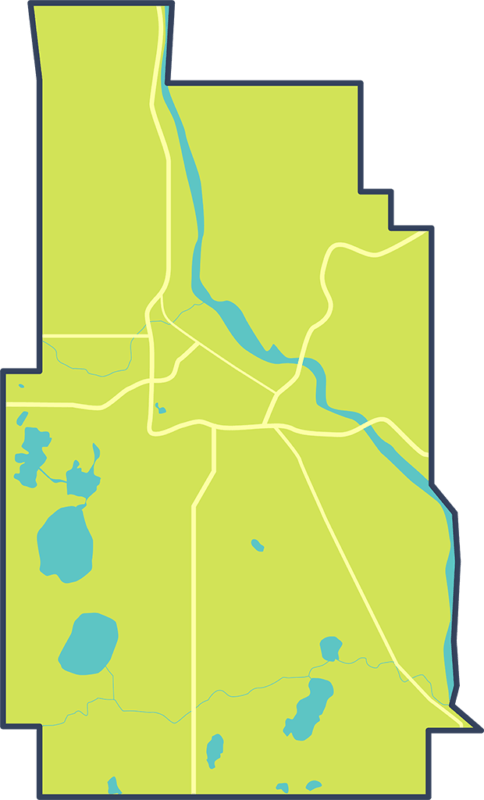
En General
Todos los vecindarios de Minneapolis.
Todas las escuelas primarias, intermedias y secundarias de Minneapolis.
Christin
Crabtree
En General
Las respuestas reflejan los puntos de vista de los candidatos y no representan a Get On Board ni a ninguna de las organizaciones asociadas.
Tell us about yourself and why you are running for MPS school board.
Mi nombre es Christin Crabtree y me postulo para ser la próxima directora del Consejo Escolar de Minneapolis por elección general. Durante más de 20 años, construí relaciones con educadores, personal escolar y administradores como parte de la comunidad de familias, educadora, líder de la organización de padres y docentes (PTO), miembro de consejos de sitio y voluntaria de las MPS. Mi experiencia trabajando en la comunidad abarca desde la organización comunitaria hasta el liderazgo en juntas directivas de organizaciones sin fines de lucro. Mi compromiso con nuestra ciudad generó confianza entre miembros del consejo municipal, comisionados del condado y legisladores estatales. Estoy lista para aprovechar mis relaciones personales en beneficio del distrito escolar, trabajando con una amplia coalición de líderes electos y miembros de la comunidad para aumentar el financiamiento estatal para las escuelas públicas que nuestra comunidad merece.
Las escuelas públicas hacen posible que imaginemos y trabajemos juntos para construir la Minneapolis que merecemos: una ciudad donde cada residente pueda prosperar. Minneapolis alcanza su máximo potencial cuando nos unimos por un propósito mayor. Nos demostramos mutuamente lo que significa construir una acción colectiva basada en el cuidado. En 2022, ayudé a fundar la organización Familias de Minneapolis por las Escuelas Públicas (MFPS) y trabajé junto con cuidadores de Minneapolis para lograr tener las escuelas que merecemos. Nuestro trabajo de organización comunitaria permitió que los cuidadores lideraran 3000 turnos de patrullaje por semana y distribuyeran más de $3.5 millones en ayuda mutua durante la operación Metro Surge, garantizando que las familias tuvieran vivienda y alimentos. Estoy dispuesta a aportar esa misma energía a nuestro Consejo Escolar y defender la educación pública.
Estoy comprometida con la integridad, la autenticidad y la transparencia, y serviré a mis representados manteniéndome conectada con nuestra comunidad. Ustedes serán mi principal responsabilidad. Una buena gobernanza requiere procesos, procedimientos y mecanismos de supervisión sólidos para garantizar que los líderes administren con responsabilidad los recursos y la confianza de sus representados. Mi prioridad es estar presente en nuestros barrios, en las escuelas y en los eventos de la comunidad. Merecemos un liderazgo accesible y receptivo, y me entusiasma lo que podemos lograr juntos.
What are your thoughts on giving individual schools more autonomy over budget, staffing, curriculum, and scheduling decisions? What are the benefits and risks of school-level flexibility?
Cada estudiante de las MPS merece recibir una educación de alta calidad. En un distrito grande con características demográficas diversas y necesidades estudiantiles variadas, las comunidades de cada escuela tienen distintas prioridades. Hay ciertos aspectos del presupuesto en los que las escuelas tienen más margen de decisión y hay áreas específicas en las que deben cumplir con las políticas del distrito y los mandatos del gobierno estatal y federal.
Cada escuela de Minneapolis recibe diferentes montos de financiamiento según factores como la inscripción, los niveles de ingresos (financiamiento del Título I), la cantidad de estudiantes multilingües y los programas de educación especial. Gran parte de este financiamiento se asigna para un propósito específico establecido por mandato. También existen requisitos de financiamiento que impiden que los grupos externos (incluidas las PTO) financien directamente al personal. Este tipo de políticas tiene como objetivo reducir las desigualdades entre las escuelas de las MPS para que todos los estudiantes tengan acceso a entornos escolares sólidos con centros multimedia, clases de arte y una proporción adecuada entre docentes y personal en relación con la cantidad de estudiantes.
En los casos en que los directores sí tienen flexibilidad en los presupuestos a nivel escolar, el modelo de consejo de sitio de las MPS fomenta la participación conjunta de los cuidadores, los educadores y la comunidad en las decisiones presupuestarias anuales. La manera en que cada escuela aborda este proceso varía, y esto genera un acceso desigual a la información y a la participación de las personas a las que las MPS sirven. Esto representa una oportunidad perdida para las MPS de beneficiarse de los diversos conocimientos y experiencias de las personas que forman parte de nuestro distrito. Como directora, trabajaré para implementar una participación comunitaria más intencional y consistente en todo el distrito, garantizando que una variedad de voces puedan participar en la toma de decisiones de nuestras escuelas públicas.
MPS enrollment has dropped by roughly 8,000 students since 2017, and it is projected to keep declining. Is increasing enrollment a viable solution to the budget crisis? If yes, what's your strategy? If no, how would you rightsize the budget instead?
Los recortes y cierres no mejorarán el bienestar de Minneapolis; la reducción de fondos no es una estrategia exitosa para nuestro futuro. Necesitamos una visión positiva que replantee la forma en que el distrito asigna los recursos para brindar la educación de calidad que Minneapolis merece.
Implementar medidas para aumentar la inscripción es una parte de la estabilización de nuestro distrito porque el financiamiento estatal por estudiante es la mayor fuente individual de ingresos para las MPS. Muchos factores llevaron a una disminución de las inscripciones, como la pandemia, la falta de acceso a viviendas seguras y asequibles, políticas que debilitan las escuelas públicas y la implementación del Diseño Integral del Distrito (CDD), que es totalmente impopular. Las MPS deben implementar esfuerzos basados en las relaciones y en datos para retener y atraer familias, mientras trabajan en colaboración con distintas jurisdicciones a fin de implementar políticas que ayuden a que las familias se queden en Minneapolis. Las MPS vieron aumentos moderados en la inscripción durante el año escolar 2024-2025. Sin embargo, esto se vio contrarrestado por la operación Metro Surge, cuyas implicaciones aún no se conocen. Me entusiasman estrategias como la expansión del prekínder y la creación de trayectorias educativas coherentes para los estudiantes. Planeo dar continuidad a estas iniciativas trabajando para mejorar la permanencia de los estudiantes en la escuela intermedia.
Aporto una mirada renovada y una mayor transparencia a las decisiones presupuestarias. El panel de presupuesto en línea es un buen primer paso. A fin de reconstruir la confianza, las MPS deben fortalecer los controles internos y establecer políticas y procedimientos para garantizar una facturación adecuada de los servicios, evitar gastos innecesarios y mejorar la coordinación entre los departamentos con el objetivo de ahorrar costos.
El financiamiento estatal es fundamental para lograr la estabilidad presupuestaria en Minneapolis y en las escuelas públicas de todo Minnesota. Actualmente, Minnesota está en el puesto 26 en financiamiento de la educación pública en Estados Unidos. Tengo una presencia constante en el Capitolio y seguiré estando allí junto a los educadores, miembros del personal, la administración y los cuidadores, apoyando proyectos de ley que protejan a nuestras escuelas e inviertan en ellas. Daré mayor prioridad a la defensa del financiamiento y a los mejoramientos sistémicos en el Capitolio para el distrito.
What do you see as the role of parent, student, and community voice in decisions that affect the Minneapolis Public Schools?
Nuestro distrito está formado por comunidades vibrantes y muy unidas de familias que se involucran, un hecho que se demostró en la gran respuesta a la operación Metro Surge. Las personas son el centro de todo lo que hacemos en las MPS y espero construir coaliciones basadas en prioridades compartidas.
Me comprometo a brindar oportunidades continuas para la participación comunitaria mediante horarios de atención abierta en toda la ciudad, a fin de garantizar un acceso equitativo basado en los valores de clima escolar de las MPS:
- Equidad, representación y antirracismo
- Seguridad y bienestar físicos y emocionales
- Relaciones, confianza y comunicación
- Toma de decisiones y voz compartidas
Para lograrlo, mi compromiso implica lo siguiente:
- Hacer más transparente el rol de representante del consejo escolar: sabrán qué estoy haciendo y me verán participando en la comunidad.
- Estar disponible para mis representados: si me llaman, contestaré.
- Defender los intereses de todos en los niveles más altos de toma de decisiones, mientras sigo presente en el trabajo directo con la comunidad.
Las escuelas tienen éxito cuando se centran en las necesidades de la comunidad y promueven una toma de decisiones colaborativa. Esto se puede lograr mediante enfoques deliberados que prioricen la construcción de relaciones, la toma de decisiones colaborativa y las prácticas restauradoras. Creo que las personas más afectadas por las decisiones deben participar en el proceso de tomarlas. Mi trabajo como miembro del consejo escolar estará guiado por lo que aprenda de nuestras familias, de las personas que trabajan en las MPS y de los miembros de nuestra comunidad sobre sus prioridades y lo que necesitan para convertir a las MPS en el distrito que los estudiantes merecen.
A recent poll found that over 90% of parents are concerned that children in MPS are not reading on grade level. What steps will you take to address these concerns and improve grade-level reading?
Como madre y exeducadora, sé que la alfabetización es una de las principales prioridades de las familias. Nuestra comunidad merece tener conversaciones significativas sobre la lectura que incluyan contexto, matices y consideren a los estudiantes como personas en su totalidad. La lectura es fundamental para el aprendizaje: una parte esencial de ser una persona informada en una democracia, un espacio de imaginación y creatividad, y una fuente de disfrute. Quiero que a los estudiantes les encante leer, que estén entusiasmados por explorar la biblioteca de la escuela, que se vean reflejados en los libros que leen y que tengan acceso constante a especialistas en medios.
Existe un vínculo entre el éxito de los estudiantes y el bienestar de nuestra ciudad en su conjunto: los niños que tienen acceso a la recreación, adultos de confianza, seguridad alimentaria y una vivienda estable tienen más probabilidades de tener éxito. Los niños comienzan sus trayectorias académicas con distintos contextos y experiencias, y necesitan escuelas que respondan a sus necesidades actuales y les ofrezcan la estructura y la seguridad necesarias para aprender. Los estudiantes merecen tener acceso a materias optativas de alta calidad que fomenten su participación y garanticen que vayamos más allá de los resultados de los exámenes para educar al estudiante en su totalidad. Las clases con menos estudiantes promueven la alfabetización; contar con cargas de casos adecuadas para educación especial y estudiantes multilingües es fundamental para crear entornos escolares inclusivos y garantizar que todos los estudiantes tengan acceso a una educación de alta calidad.
Las MPS invirtieron en mejorar la alfabetización de los estudiantes mediante capacitaciones y planes de estudio basados en datos e investigaciones. Yo apoyo estos esfuerzos y espero participar en los mejoramientos de los planes de estudio en el futuro. Las tasas de alfabetización están disminuyendo a nivel nacional, los resultados de las pruebas de lectura de las MPS se encuentran apenas por debajo del promedio nacional y Minnesota ocupa el puesto 26 en cuanto al financiamiento escolar en el país. Estos indicadores están relacionados entre sí. Nuestros estudiantes merecen algo mejor y para lograrlo se necesitará inversión. Como miembro del consejo, seguiré apoyando tamaños de clase razonables y un acceso equitativo a los recursos educativos, sin desmantelar los programas cocurriculares que mantienen a los estudiantes involucrados.
Conozca las características de la votación
Todos los residentes de Minneapolis pueden votar por un candidato general, pero también pueden votar por un candidato específico para el distrito.